
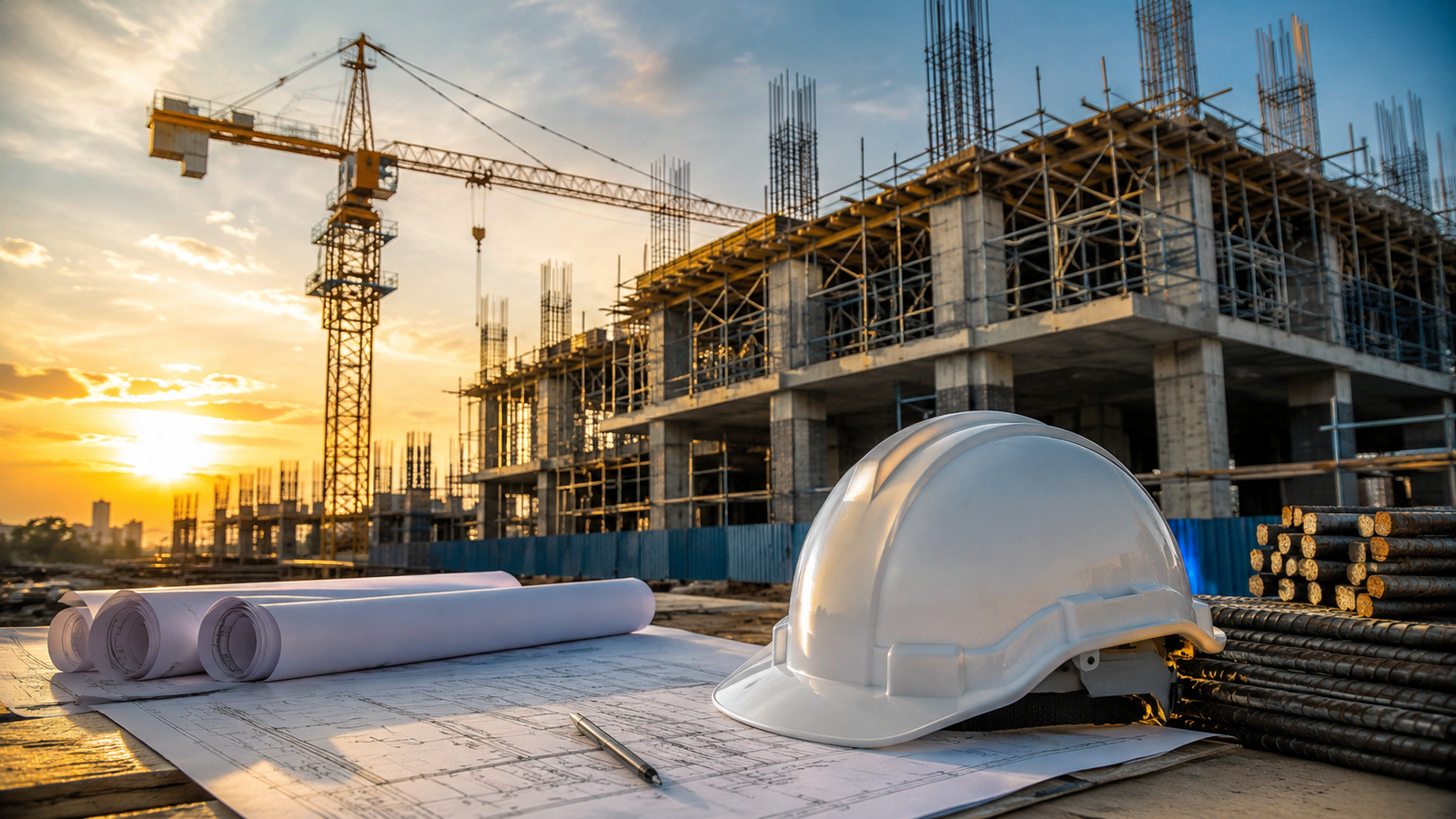
Quality Construction Is More Than Attractive Finishes
When people visit a new property, they often notice the paint, flooring, lighting, kitchen, and exterior design first.
Although these features are important, the true quality of a building goes much deeper.
A strong property depends on planning, engineering, structural work, materials, supervision, electrical systems, plumbing, waterproofing, ventilation, and skilled workmanship.
Quality construction protects both the people living in the building and the financial value of the property.
Better Structural Reliability
The structural system is one of the most important parts of any building.
A professionally constructed development should follow approved plans, engineering requirements, material specifications, and appropriate construction methods.
Proper structural work supports the building’s long-term strength and stability. Errors made during the foundation or structural stage may be difficult and expensive to correct later.
Property buyers should ask how construction quality is supervised and whether qualified professionals are involved throughout the project.
Lower Repair and Maintenance Costs
Poor-quality construction may initially appear less expensive, but it can create significant repair expenses over time.
Common problems may include:
- Wall cracks
- Water leakage
- Roof seepage
- Dampness
- Damaged flooring
- Plumbing failures
- Electrical faults
- Poorly fitted doors
- Window leakage
- Peeling paint
Using dependable materials and proper installation methods can reduce the likelihood of these problems.
A well-built property may therefore provide greater value even when its initial price is higher.
Improved Safety
Quality construction contributes directly to the safety of residents.
Important safety considerations include:
- Structural design
- Electrical wiring
- Fire-safety planning
- Emergency access
- Staircase design
- Balcony protection
- Gas and plumbing installations
- Elevator systems
- Building access
- Water and drainage systems
Safety should be integrated into the design and construction process rather than added as an afterthought.
Greater Everyday Comfort
Construction quality also affects how comfortable a building feels.
Proper ventilation, insulation, natural lighting, plumbing pressure, drainage, sound control, and temperature management can improve daily life.
Poor construction may create rooms that feel hot, dark, noisy, damp, or difficult to maintain.
A thoughtfully constructed apartment should provide a comfortable environment throughout the year.
Stronger Resale Potential
Future buyers often pay attention to the condition and reputation of a building.
A property that remains structurally sound and visually well maintained may attract stronger buyer interest. By contrast, visible defects, water damage, damaged common areas, or frequent repairs may reduce confidence.
Projects developed with consistent quality standards may therefore achieve better long-term market perception.
Improved Rental Demand
Tenants usually prefer buildings that are safe, clean, functional, and professionally managed.
Reliable utilities, good finishing, secure access, working elevators, proper maintenance, and practical layouts can improve rental appeal.
For investors, construction quality can influence:
- Tenant satisfaction
- Vacancy periods
- Rental rates
- Maintenance expenses
- Lease renewals
- Long-term asset value
A quality property is not automatically a profitable investment, but construction standards are an important part of investment performance.
The Importance of Materials
The performance of a building depends heavily on the materials used.
However, selecting an expensive material does not guarantee good results. Correct installation is equally important.
For example, high-quality tiles may still fail if the surface is not properly prepared. Good waterproofing materials may not work if the application is incomplete. Reliable wiring may become unsafe if it is installed incorrectly.
Quality therefore requires both suitable materials and skilled workmanship.
Professional Supervision Makes a Difference
Construction involves many contractors, suppliers, workers, and technical decisions.
Professional supervision helps ensure that work follows the drawings, specifications, schedule, and quality requirements.
Project supervision may include:
- Material inspections
- Workmanship checks
- Measurement verification
- Safety monitoring
- Construction testing
- Progress reporting
- Defect correction
- Coordination between teams
This is one reason why the experience and systems of the developer matter.
Abbasi Builder’s Quality-Focused Approach
Abbasi Builder presents its developments around trust, practical design, and dependable construction.
For a flagship development such as NawabKhana Heights, construction quality should remain one of the main messages communicated to potential buyers.
Progress photographs, material information, site updates, professional supervision, and transparent communication can help buyers understand how the project is being developed.
Questions Buyers Should Ask
Before buying a property, consider asking:
- Who designed the building?
- Who is supervising construction?
- Which materials are being used?
- What quality-control procedures are followed?
- How are plumbing and electrical systems tested?
- What waterproofing measures are used?
- What fire-safety systems are planned?
- How will defects be handled?
- What maintenance system will operate after completion?
- Can buyers review construction progress?
Clear answers can help you compare different projects more effectively.
Conclusion
Quality construction has a direct impact on safety, durability, comfort, maintenance costs, rental demand, and resale value.
Buyers should look beyond attractive images and evaluate how the building is actually being designed, constructed, and supervised.
When selecting a home or investment property, strong construction standards can provide confidence today and protect value for years to come.